
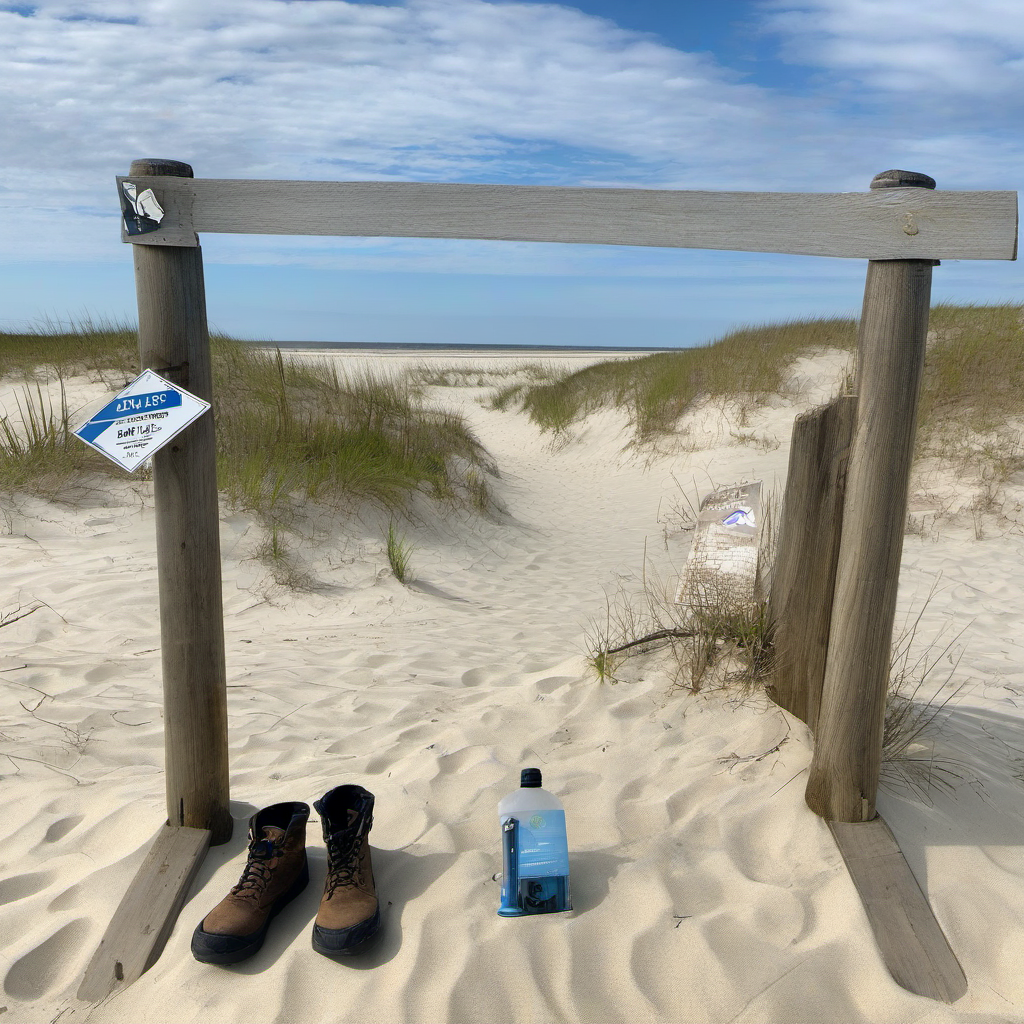
Sandy Hook is the northern New Jersey peninsula where Atlantic beach, sheltered bay, maritime forest, Fort Hancock, and the country’s oldest operating lighthouse fit into one National Park Service day. The smart itinerary uses one beach area, the Fort Hancock district, and one final water view instead of repeatedly moving the car. The main limitation is summer demand: beach parking costs $20 per day during the published fee season, payment is cashless, and lots can fill. The park is generally open from 6 a.m. to 9 p.m., but facilities, swimming areas, wildlife closures, and pet access follow narrower schedules.
Sandy Hook day-trip quick facts
- Operator
- National Park Service, Gateway National Recreation Area
- Park hours
- 6 a.m.–9 p.m. daily, except by permit
- Summer beach parking
- $20 per day for most vehicles during the published Memorial Day–Labor Day fee period; cashless
- Always-free parking area
- Fort Hancock
- Visitor Center
- Lighthouse Keepers Quarters, currently Friday–Monday, 10 a.m.–4 p.m.
- Lighthouse tours
- Currently first come, first served Friday–Monday afternoons
- Pets
- Bayside beaches year-round; oceanside beaches only September 15–March 15
- Facts last verified
- August 3, 2026
What is the best stop order?
Arrive early and make the most weather-sensitive stop first. On a hot, calm summer day, that usually means the chosen ocean beach before parking pressure and heat build. On a windy or cooler day, start with Fort Hancock and the lighthouse, then decide whether the ocean or bay side is more comfortable. The narrow peninsula makes every stop look close on a map, but parking, walking gear, and beach traffic consume time.
Give one beach two or three hours. Move once to Fort Hancock for the lighthouse, historic buildings, parade ground, and broad compositions that place military architecture against open sky. Finish with a bay-facing view or another short stop that does not require unpacking the full beach setup. If time shrinks, remove the second beach—not the historic district.
How do parking fees and capacity work?
Gateway does not charge a general entrance fee, but it collects a beach-parking fee at Sandy Hook during the summer season. The current standard charge is $20 per day or $100 per season for most vehicles, collected from 8 a.m. to 6 p.m.; larger vehicles cost more. Payment is by credit, debit, or contactless method, not cash. Federal senior and access pass holders can receive the published discount.
Arriving before fee collection does not automatically make a full beach day free. NPS states that visitors remaining after fee collection begins must pay or move to a non-fee area. Parking at Fort Hancock is always free. Capacity notices and temporary closures can override a carefully timed plan, so check the NPS plan-ahead information before crossing the Highlands Bridge.
What should visitors know about facilities and food?
The Lighthouse Keepers Quarters currently serves as the Sandy Hook Visitor Center, with limited Friday–Monday hours. Lighthouse and History House schedules are narrower still and can depend on staffing. Treat any interior as a bonus unless its same-day schedule is confirmed.
Carry water and a meal plan instead of assuming a concession will be open. Sandy Hook follows a carry-in, carry-out policy, so every food wrapper and piece of beach gear leaves with you. Restrooms and lifeguarded swimming are location- and season-specific. Fuel the vehicle before entering the peninsula if needed.
How can photographers protect the shore?
Use marked paths and boardwalks across dunes. Piping plovers and other shorebirds nest on the ocean side, which is why pets are prohibited there from mid-March through mid-September and why fencing may close a tempting foreground. A 24–70mm-equivalent lens handles lighthouse, fort, and broad beach frames. A longer lens helps with distant wildlife only when it supports distance rather than pursuit.
Keep tripods out of boardwalk traffic and away from fragile vegetation. Launching, landing, or operating a drone from National Park Service land is prohibited unless specifically authorized. Wind moves sand into equipment quickly; a compact kit and one protected lens change are more useful than an open bag on the beach.
What is the bad-weather alternative?
Lightning, extreme heat, strong onshore wind, coastal flooding, or poor air quality can make an exposed beach itinerary unsafe. Shorten the shoreline portion and use Fort Hancock only if roads and public areas remain open. If conditions deteriorate across the peninsula, leave rather than trying to recover the day through more driving.
Official sources and updates
- National Park Service: Sandy Hook hours, fees, facilities, pets, and directions
- National Park Service: Gateway fees and visitor questions
- National Park Service: plan-ahead notices and capacity guidance
Continue along New Jersey’s outdoor map
For another shore landscape with a stronger wildlife emphasis, use the Brigantine beach photography guide. The Lambertville day-trip guide replaces salt air with river-town streets, while the Paterson Great Falls guide pairs falling water with industrial history.
Carry the regional thread: browse NJ Falls Here gear after the day plan is set.